Skip to content
When you hear the word testator, it might sound like a stuffy legal term, but its meaning is simple and deeply personal. The testator is the person creating a will.
Think of the testator as the architect of their family's future security. You are the one designing the blueprint that lays out exactly how your property, assets, and—most importantly—the care of your minor children should be handled after you’re gone. This role is a profound act of love, providing clarity and peace of mind for those you cherish most.
Defining the Testator in a Texas Will


Choosing to become a testator is one of the most responsible decisions you can make. It’s about providing clarity and security for the people you care about, protecting them from uncertainty and potential conflict down the road. In Texas, the testator holds the power to make these deeply personal decisions, ensuring their voice is heard.
This role is absolutely central to any estate planning process. The person creating the will has a few critical jobs to do to safeguard their family's future.
A Testator's Key Responsibilities
To give you a clearer picture, a testator's main responsibilities boil down to a few key decisions. We understand that these choices can feel overwhelming, but each one has a direct, positive impact on how smoothly things will go for your family after you pass away.
| Responsibility | What It Means for Your Family |
|---|---|
| Appointing an Executor | This is your trusted point person. They'll be in charge of managing your estate and making sure your wishes are carried out exactly as you've written them. |
| Distributing Assets | You get to decide who inherits your property, finances, and personal belongings. This prevents arguments and ensures your legacy goes to the right people. |
| Nominating a Guardian | For parents, this is arguably the most important job. You name the person you trust to raise your minor children, a decision no one else should make for you. |
These tasks are the heart of what a testator does. By clearly documenting your choices, you provide a legally binding roadmap for your loved ones, easing their burden during an emotional time.
Despite how crucial this is, many people put it off. In fact, recent data shows that only about 31% of American adults have a will, leaving their final wishes unprotected. This is a staggering number when you consider what’s at stake.
Creating a will ensures your voice is heard long after you’re gone. When a testator in Harris County clearly outlines their wishes using proper Texas will forms, they prevent the state from stepping in and making these deeply personal decisions on their behalf.
If you are ready to secure your legacy and protect your loved ones, our team at The Law Office of Bryan Fagan can help. Schedule a free consultation today to discuss your estate planning needs with a compassionate Texas attorney.
Meeting the Legal Standards to Be a Testator in Texas
In Texas, you can't just scribble your wishes on a napkin and call it a valid will. The law has specific standards for the person creating the will—the testator—to ensure the final document is legally sound and truly reflects their intentions.
Think of these requirements as the basic qualifications for the job of being a testator, designed to protect you and your family.
Understanding "Sound Mind" in Texas
The cornerstone of a valid will is what the Texas Estates Code calls testamentary capacity. This is just a legal term for being of "sound mind" when you sign your will. It's a fundamental protection designed to prevent fraud or coercion and make sure the will genuinely reflects your wishes.
Being of "sound mind" doesn't mean you need a perfect memory or a law degree. A Texas probate court, like one in Harris County or Fort Bend County, simply looks for evidence that the testator understood three key things at the moment they signed:
- The Action: They knew they were signing a will to give away their property after they die.
- The Property: They had a general sense of what they owned. No need for a detailed spreadsheet, just a basic awareness.
- The People: They could recognize their closest family members, like a spouse and children (the "natural objects of their bounty").
On top of that, a testator must also meet the age requirement. You must be at least 18 years old, have been married, or be a member of the U.S. armed forces.
For example, imagine an elderly father in Fort Bend County who has started to experience some memory loss. Even so, he can clearly state that he wants his house to go to his daughter and his savings to his son. Despite some cognitive decline, he almost certainly meets the "sound mind" standard because he grasps the basics of what he's doing, who his children are, and what property he owns.
This is why planning ahead is so critical. Facing a potential decline in health can be emotionally challenging, but taking proactive steps can provide immense relief. You can learn more about planning for incapacity with powers of attorney to protect yourself and your loved ones before these issues arise.
Historically, the role of the testator is one many people put off. Demographics show that only 15% of Generation Z and 22% of Millennials have a will. This tells us younger potential testators often aren't engaging with estate planning. Most Americans tend to create a will later in life, usually prompted by a major event like buying a house, having a child, or receiving a health diagnosis. You can explore more about these estate planning statistics.
Making the Critical Decisions Only a Testator Can
Stepping into the role of a testator means you get to make some of life's most profound decisions, essentially creating a protective shield for your family's future. The choices you lay out in your will go far beyond simply dividing up your assets; they become a clear, loving roadmap for your loved ones to follow during an incredibly tough time.
This infographic paints a powerful picture of how a testator's thoughtful planning—from securing the family home to protecting cherished heirlooms—provides lasting security.

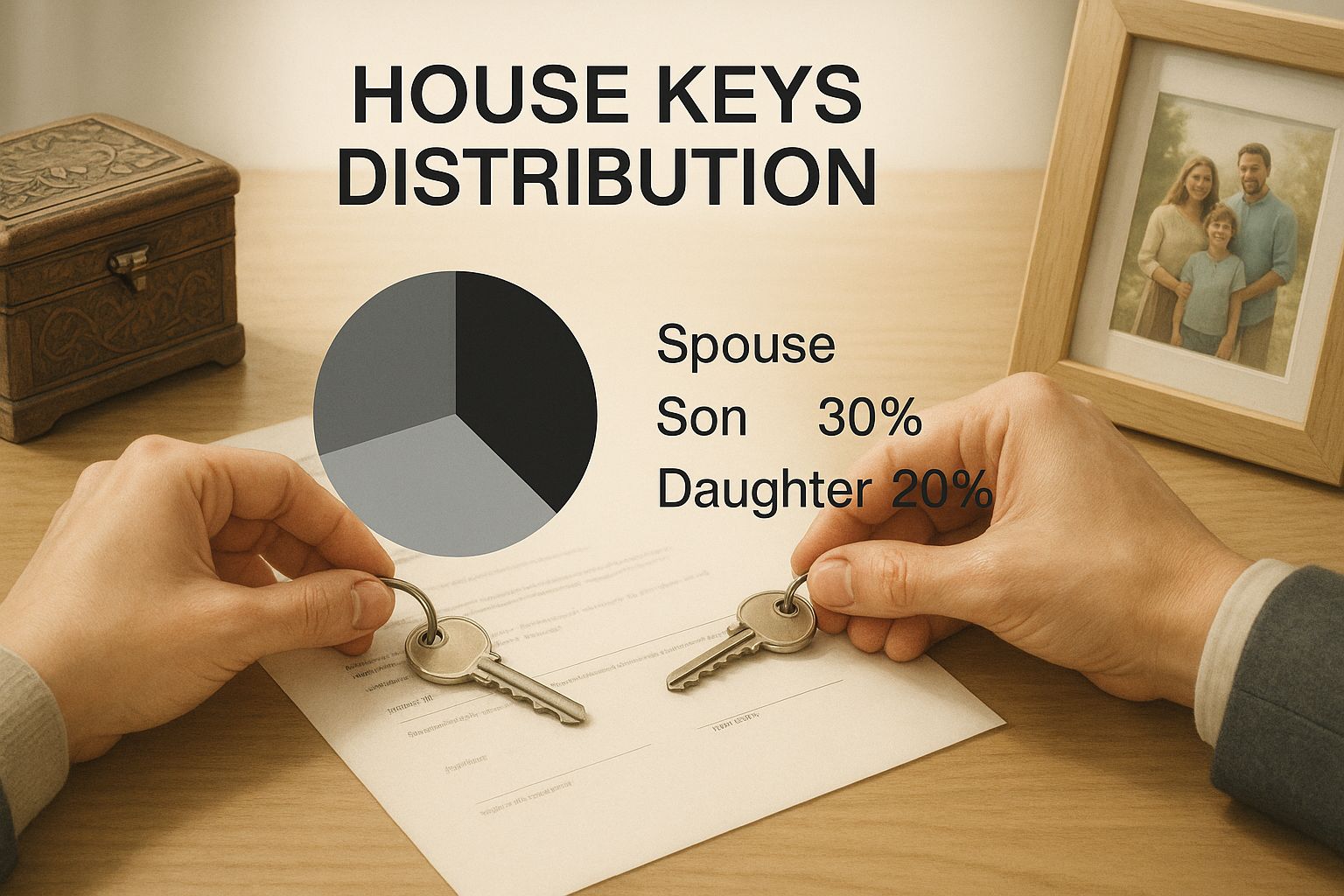
As you can see, a will is so much more than just a legal document. It's a practical tool for preserving your family's home, legacy, and emotional well-being when they need it most.
Key Decisions in a Testator's Hands
As the person creating the will, a few key responsibilities fall squarely on your shoulders. Making these decisions yourself is the only way to ensure your wishes are followed to the letter, preventing the state from stepping in and making choices on your family's behalf.
A testator is responsible for:
- Appointing an Executor: You get to choose a trustworthy person to manage your estate, pay off any debts, and hand out your property exactly as you've instructed. Think of this person as your representative when you can no longer be there.
- Distributing Assets: You decide who gets what. Whether it’s the family home in Fort Bend County, a specific investment account, or sentimental personal items, you have the final say.
- Nominating a Guardian for Minor Children: For parents, this is often the single most critical decision you'll make as a testator. You name the person you trust, above all others, to raise your children if you're gone.
The power to nominate a guardian simply cannot be overstated. Tragically, it's a step many parents put off. Research shows that among parents with minor children, a staggering 36% don't have a will, which means guardianship decisions often fall into the hands of a court. These low rates usually come down to procrastination, even though many admit a major life event would finally push them to act. You can read more about these sobering estate planning insights from Trust & Will.
Just consider two different scenarios. In one, a testator clearly names her sister as the guardian for her kids. If the unthinkable happens, the children have a stable, loving home to go to immediately. In the other, without a will, the court is left to decide between two well-meaning but feuding grandparents, sparking a stressful and uncertain legal battle for everyone involved—especially the children. This could even lead to a temporary guardianship while the dispute is sorted out.
This one decision can provide immense stability during a time of total crisis. It truly highlights why the testator's role in guardianship and the probate process is so deeply personal and important.
Having a will is the ultimate act of protection for your family. It's the difference between leaving behind a clear plan and leaving behind chaos. The table below breaks down just how much control a testator has over these crucial outcomes.
How a Testator's Will Protects Your Family
| Key Decision Area | Outcome with a Will (Testator's Choice) | Outcome without a Will (State Law Decides) |
|---|---|---|
| Executor of Estate | You choose a trusted person or institution. | A court appoints an administrator, who may be a stranger. |
| Asset Distribution | Your property goes to the people you name. | The state's strict inheritance laws dictate who gets what. |
| Guardianship of Children | You nominate the person you want to raise your kids. | A judge makes the final decision, which may not align with your wishes. |
| Gifts to Friends/Charity | You can leave specific gifts to non-relatives. | Only legal heirs will inherit; friends and charities get nothing. |
| Funeral Wishes | You can state your preferences for arrangements. | Your family is left to guess, potentially causing disagreements. |
| Minimizing Family Conflict | Your clear instructions reduce arguments. | Ambiguity can lead to costly legal battles among loved ones. |
As you can see, the difference is night and day. By acting as a testator, you ensure that every major decision about your legacy and your family's future is made by you, not by a probate court following a rigid, one-size-fits-all formula.
Navigating Common Challenges a Testator May Face
Creating a will is a deeply personal journey, but we know it's rarely a straight line from A to B. Even with the best of intentions, a testator can run into complex emotional and legal hurdles. Understanding these potential roadblocks is the first step toward creating a plan that truly protects your family.
One of the most heartbreaking challenges is something called undue influence. This happens when someone—often a family member, friend, or caregiver—puts so much pressure on the testator that the will stops reflecting what they want and starts reflecting what the influencer wants.
For example, imagine a testator in poor health who becomes isolated by a new caregiver. That caregiver might constantly suggest they need to be "taken care of" in the will, creating an environment of dependency and manipulation. A Harris County probate court could later determine that this pressure overrode the testator's own free will, potentially invalidating the entire document and sparking a guardianship dispute.
The Complexity of Blended Families
Blended families introduce another common and delicate challenge. A testator often feels torn between providing for a current spouse while also making sure children from a previous marriage get their intended inheritance. We understand this emotional tightrope. Without careful and thoughtful planning, these situations can easily boil over into painful disputes after you're gone.
A proactive testator can get ahead of these issues with compassionate guidance:
- Communicating Openly: Having honest conversations with everyone involved can manage expectations and reduce future conflict.
- Using Trusts: Certain types of trusts are excellent alternatives to guardianship for assets. They can provide for a surviving spouse for their lifetime, while ensuring the remaining assets eventually pass to the children.
- Being Specific: Clearly outlining who gets what specific assets leaves no room for guessing or arguments later.
The testator's role is crucial for safeguarding family interests, yet a surprising number of people put this responsibility off. A recent survey revealed that a staggering 76% of American adults do not have a will, creating a massive risk of asset disputes and unintended inheritances. You can read more about these important will and estate planning findings.
Tackling these challenges head-on with clear legal guidance ensures your true intentions are honored. If you are navigating these or other complexities in your estate planning, The Law Office of Bryan Fagan is here to help. Schedule a free consultation to create a plan that brings you peace of mind.
Why Becoming a Testator Is an Act of Care
Most people think of becoming a testator as just another legal box to check off. But it’s so much more than that. Creating a will isn't really about planning for your own end; it’s about giving your family a secure beginning for their next chapter. It's about finding peace of mind now, knowing your wishes will be respected and your loved ones are protected down the road.
This isn’t a decision just for the wealthy, either. It’s for every Texan. Whether you’re a young parent in Dallas who needs to name a guardian for your children, or a retiree in Austin looking to pass on what you’ve built, a will is your tool for control. It empowers you to decide who gets what, which can prevent a world of family arguments and expensive legal fights later on.
A Legacy of Security
A well-crafted will does a lot more than just hand out property. Its real value is in protecting your family from the emotional and financial strain of a drawn-out court process. Think of it as your final gift to them—a clear, loving roadmap that cuts through the confusion during a time of grief, letting them focus on healing instead of legal battles.
By taking on the role of the testator, you are laying a foundation of stability for those you leave behind. This act transforms a complex legal process into a personal legacy of love and foresight.
The financial impact is also huge. The probate process that follows a death can eat up as much as 10% of an estate’s value in fees. A clear will helps slash those costs, keeping more of your hard-earned assets with your family where they belong. You can learn more about how effective estate planning protects your assets.
At The Law Office of Bryan Fagan, we understand just how important these decisions are. To start creating your own legacy of care and protection, schedule a free consultation with our team today.
How to Secure Your Legacy as a Testator
https://www.youtube.com/embed/oUsqwIS93Bg
Stepping into the role of a testator is more than just a legal step; it's a profound act of care for your family. By creating a will, you ensure your final wishes are clearly understood and legally binding. This simple act can prevent painful conflicts and confusion among your loved ones during an already difficult time.
But getting it right is critical, and this is where many people stumble.
DIY will kits might seem like a quick and easy solution, but they are often a minefield of potential problems. A tiny mistake in wording or a failure to follow the strict legal formalities required in Texas can lead a probate court to declare your entire will invalid. This can happen in any county, from Harris to Fort Bend, and the result is often heartbreaking legal battles and guardianship disputes among the very people you wanted to protect.
From Understanding to Action
The surest way to protect your legacy is to work with an experienced estate planning attorney. A legal professional does more than just fill out a form; they provide compassionate guidance, helping you craft a will that is not only legally sound but also strategically designed for your unique family situation, whether that involves nominating guardians for your children or exploring alternatives to guardianship like trusts.
For example, many homeowners wonder how to best protect their property. You can learn more about if you should put your house in a trust in our detailed guide.
At The Law Office of Bryan Fagan, our goal is to guide Texas families through this process with clarity and compassion. We make it simple to move from just understanding what a testator is to taking decisive action to protect your family's future.
To make sure your wishes are honored and your loved ones are secure, schedule a free consultation with our team today.
Answering Your Questions About the Testator's Role
When you're creating a will in Texas, understanding your role as the testator brings up some very practical questions. Let's walk through some of the most common concerns we hear from families.
Can a Testator Change Their Will?
Yes, absolutely. A will isn't set in stone. As long as you still have the mental capacity to make these decisions (what the law calls testamentary capacity), you can change your will at any time. Life evolves, and your will should be able to evolve with it.
You generally have two ways to do this:
- Create a Codicil: Think of this as a legal amendment or an add-on to your existing will. A codicil is perfect for small tweaks, like changing who you’ve named as your executor or adjusting a specific gift. Just remember, it has to be signed with the same legal formalities as the original will.
- Execute a New Will: If you're planning significant changes, it's almost always cleaner and safer to just create an entirely new will. A new will should always include specific language that clearly states it revokes—or cancels out—all previous wills and codicils. This avoids a world of confusion later on.
Can a Testator Disinherit a Child in Texas?
In Texas, you do have the legal right to disinherit a child. However, this is one of those areas where you need to be crystal clear about your intentions to avoid future guardianship disputes or will contests.
Your will must contain specific, unambiguous language stating that you are intentionally leaving nothing to that particular child. Simply leaving a child’s name out isn’t enough. A court might look at that and assume it was just an accidental oversight, which could open the door for a legal challenge. Clarity is your best defense.
Does the Testator Attend the Probate Hearing?
No, the testator is never present at a probate hearing. The entire probate process is designed to happen after the testator has passed away.
It's your executor—the person you appointed in your will—who represents your estate in court. Their job is to get the will validated by a judge and then carry out all the instructions you left behind, including ensuring any nominated guardian for your children is formally appointed.
How Can a Testator Sign If Physically Unable?
Texas law recognizes that physical limitations shouldn't stop someone from making their final wishes known. If a testator is physically unable to sign their own name, the Texas Estates Code, Title 3, Subtitle G, has a specific solution.
The law allows the testator to direct another person to sign the will on their behalf. For this to be legally valid, it must be done in the testator's presence and under their direct instruction. This act also has to be properly witnessed by at least two credible witnesses, following the exact same rules as a standard will signing.
Navigating your role as a testator requires careful thought and legal precision. The team at The Law Office of Bryan Fagan, PLLC is here to help you create a plan that protects your family and secures your legacy. For personalized guidance on your estate planning needs, schedule a free consultation by visiting https://texasguardianshiplawyer.net.